Termite Control in Plains, MT
A wooded valley home near the Clark Fork River may need more than a quick look at exposed framing, because crawl spaces and rural access change the termite treatment. One phone conversation sorts out the right visit.
Plan
The right visit for the job
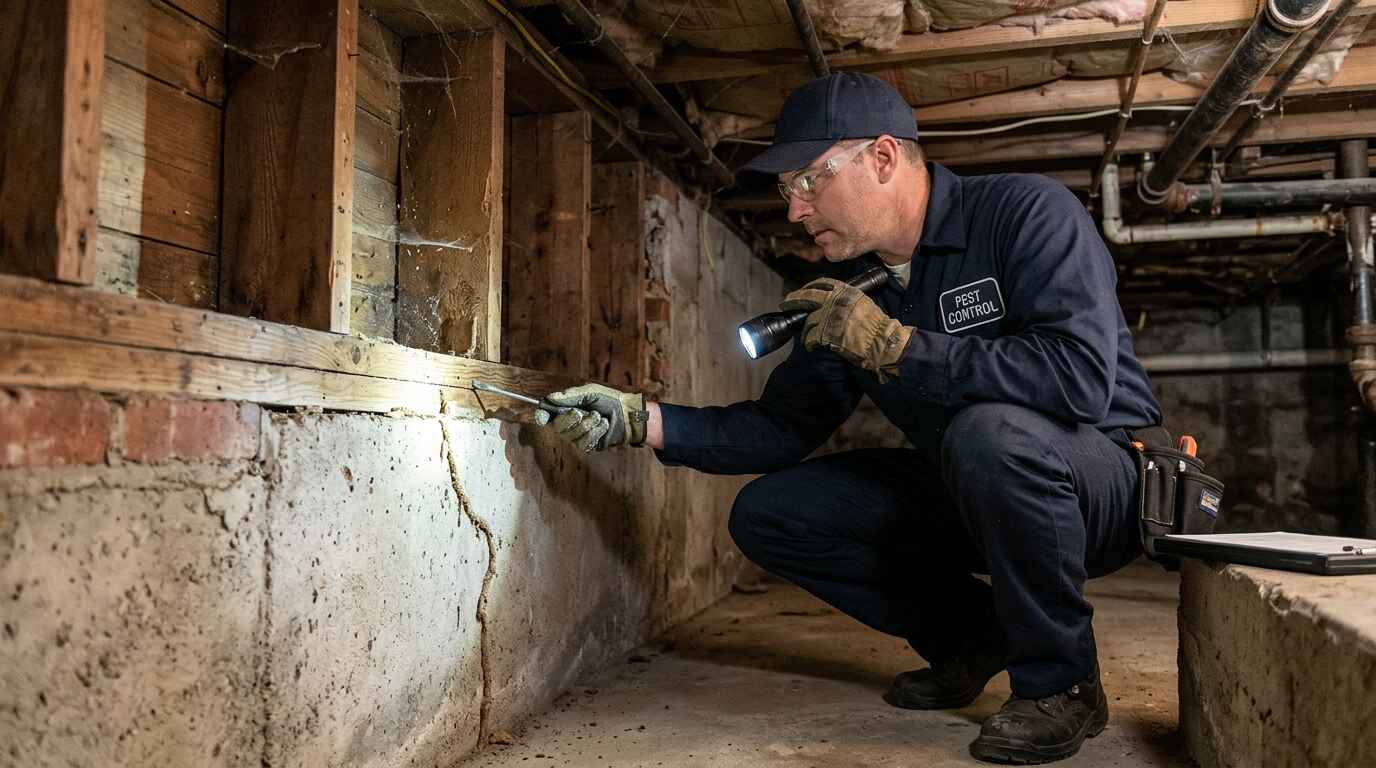
Older Plains homes with crawl spaces usually begin with a termite inspection, while visible activity or damage may call for a targeted treatment or whole-home treatment.
Quote
A straight quote
The quote is given on the call and changes with activity, structure size, access, materials, travel distance, and time on site.
Time
A visit time
The visit time is set on the call around road conditions, property access, and the technician’s route through the valley.
From downtown Plains and the homes along the Clark Fork River to wooded properties on the valley edges, termite work often involves crawl spaces, basements, porches, and detached structures. Rural distances through Sanders County can affect access, while spring soil moisture and summer dryness help determine where evidence and entry routes are checked.
Services
Termite Control Services in Plains
Plains homes range from older valley houses with crawl spaces to newer slabs, cabins, and properties surrounded by timber. Moist spring soils can keep attention on soil to wood contact, while summer dryness and forested terrain make exterior routes and detached buildings worth checking. The work starts with accessible evidence, not a guess based only on the property’s age.
Residential termite control
Residential termite control in Plains examines the house, crawl space, basement, porch supports, and accessible areas where soil or wood contact may occur.
Termite inspection
A termite inspection for a Plains home looks for live activity, conducive conditions, shelter routes, and damage around foundations and utility penetrations.
Wood-destroying insect report
A wood-destroying insect report documents accessible findings for a Plains property, including damage or conditions around older framing, decks, and outbuildings.
Preventive termite treatment
Preventive termite treatment helps Plains property owners address entry routes before activity becomes established, especially around wooded lots and damp spring soil.
Subterranean termite treatment
Subterranean termite treatment in Plains focuses on soil connected routes, foundation edges, crawl spaces, and other accessible areas where colonies may reach wood.
Commercial termite control
Commercial termite control serves Plains shops, offices, rental buildings, and storage areas with treatment planning based on structure use, access, and activity.
Termite damage assessment
A termite damage assessment for Plains homes separates visible wood damage from active evidence and identifies areas needing closer structural review.
Sizes
Termite Control Options Available in Plains
The most common Plains job is an inspection because rural homes, cabins, and older valley houses can hide activity below floors or behind stored materials. The findings determine whether an inspection alone, targeted treatment, or whole-home treatment fits.
| Size | Dimensions | Good for |
|---|---|---|
| Termite Inspection | A technician examines accessible areas for termites, conducive conditions, and evidence of damage. | This fits a Plains home with suspected activity, mud-like shelter routes, damaged wood, or no recent assessment. The technician examines accessible areas and notes conditions that may support termites. |
| Targeted Treatment | Treatment focuses on identified activity and accessible entry or nesting areas. | This suits identified activity around a crawl space, foundation edge, porch, or accessible nesting area. A Plains property with one clear entry route may not need treatment across the entire structure. |
| Whole-Home Treatment | A coordinated treatment addresses active termite activity around the structure and likely entry routes. | This is appropriate when active termite activity or likely routes extend around a Plains house, cabin, or connected outbuilding. The work coordinates accessible treatment areas around the structure. |
Which option fits common Plains projects
| Project | Size | Why |
|---|---|---|
| Older valley house | inspection | Crawl spaces, porch supports, and soil contact can hide evidence beneath an older Plains home. |
| Cabin near timber | targeted treatment | A clear activity area near foundation wood or an entry route may need focused work rather than treatment everywhere. |
| Wet spring crawl space | inspection | Moist soil and limited visibility make an inspection useful before selecting treatment around the structure. |
| Rural rental property | whole-home treatment | Multiple accessible entry routes and detached areas can require coordinated treatment across the Plains property. |
| Wooded commercial building | targeted treatment | A focused treatment can address identified activity while keeping attention on customer areas, storage, and accessible exterior routes. |
Schedule termite treatment in Plains
Click Here to Call (888) 510-9023Cost
What Affects Termite Control Cost in Plains
The exact quote is given on the call after the job is understood. Cost depends on the type and size of the structure, evidence of activity, treatment areas, access, parts and materials, time on site, travel distance from Plains, and after-hours work.
To avoid surprise charges, describe the property, suspected evidence, access limits, and travel location during the call. The exact quote is set before the visit based on the work discussed and any needed materials.
Structure and activity
The building’s size, construction, activity level, and whether evidence appears in one area or around the structure affect the recommended termite treatment.
Access from Plains
Rural travel from Plains, forested driveways, narrow approaches, steep ground, stored belongings, and limited crawl space access can change time on site.
Materials and treatment
Parts and materials depend on the treatment plan, accessible entry routes, affected wood, foundation conditions, and the products or equipment required for the work.
Work timing
The visit length and any after-hours work influence cost, especially when access requires moving around occupied homes, commercial spaces, basements, or detached buildings.
What goes in
Types of Work We Handle
Active Termite Infestations
This covers identified termite activity in homes, cabins, rentals, commercial buildings, and detached structures. A typical Plains load may include a crawl space, porch, or firewood area needing inspection.
Preventive Termite Protection
This covers treatment planning for properties without confirmed activity but with likely entry conditions, such as wooded lots, soil contact, damp spring ground, or exposed foundation edges.
Wood Damage Assessment
This covers accessible wood damage that may relate to termites or other conditions. In Plains, that can include older valley framing, decks, porches, and outbuildings.
Not accepted
Do not bring hazardous chemicals, unrelated waste, concealed personal items, or inaccessible materials expecting them to be removed or covered by termite treatment.
How to protect your home in Plains
Clear the crawl space
Move stored items away from foundation walls and access points so the technician can examine accessible areas.
Note fresh evidence
Mark where you saw insects, damaged wood, shelter routes, or discarded wings before the inspection.
Secure household pets
Keep pets away from the work area and mention animals, wells, or sensitive rooms during the call.
Gather property details
Have the address, structure type, crawl space or basement details, and suspected activity ready.
Mention detached buildings
Identify cabins, sheds, garages, rental units, and other structures that may share the treatment area.
Projects
Termite Control for Different Projects
Termite Inspection Control
Termite inspection control in Plains checks accessible foundation edges, crawl spaces, basements, porches, and wood contact around valley homes.
Subterranean Termite Control
Subterranean termite control in Plains addresses soil-connected routes near foundations, crawl spaces, slabs, and wooded property edges.
Drywood Termite Control
Drywood termite control examines accessible dry wood, framing, porches, and outbuildings in Plains where activity may not be connected to soil.
Preventive Termite Control
Preventive termite control helps Plains homeowners address conducive conditions before activity spreads through older houses, cabins, or detached structures.
Commercial Termite Control
Commercial termite control serves Plains businesses and rental buildings, with attention to storage rooms, utility areas, customer spaces, and exterior access.
Termite Damage Control
Termite damage control in Plains documents affected wood and active evidence so treatment planning can focus on the structure’s actual condition.
Termite Barrier Control
Termite barrier control considers foundation edges, soil contact, utility penetrations, and access around Plains homes surrounded by forest or wet spring ground.
How it works
How Termite Control Works in Plains
Request An Inspection
Share the Plains property address, structure type, suspected evidence, crawl space or basement access, and any detached buildings.
Identify Termite Activity
The technician examines accessible areas for termites, conducive conditions, shelter routes, and evidence of damage around the structure.
Review The Treatment Plan
The findings determine whether an inspection, targeted treatment, or whole-home treatment fits the activity and access conditions.
Protect The Structure
Treatment addresses the identified activity and accessible routes, while property owners handle access, storage, and conditions that support future entry.
Weather in Plains
Cold Plains winters can limit exterior access and leave ground conditions hard to assess. Wet spring soils may expose moisture and soil contact concerns, while summer wildfire dryness can make forested approaches dusty and difficult. Weather and road conditions are reviewed when setting the visit.
Treatment area access
Work may occur in crawl spaces, basements, slabs, utility rooms, foundation edges, yards, porches, and detached buildings. Stored belongings, low clearance, wet ground, snow, narrow rural drives, and forested access can limit where the technician can safely work.
Permits
Termite Control Permits and Placement Rules in Plains
Access rules
Termite treatment on private property usually does not involve a street permit, but construction changes, public right of way work, or a required inspection can change that. The Town of Plains or Sanders County can explain local requirements, and the call covers who should arrange any needed approval.
Landlord and HOA requirements
Plains properties may have landlord, covenant, or neighborhood rules about exterior treatment, access, notice, and work near shared areas. Tenants and owners should check Sanders County property documents and provide any rules during the call.
What the work area needs
Clear a path to the suspected activity, crawl space, basement, utility room, foundation, and shutoffs. Keep parking available for the work vehicle, secure people and pets, and account for snow, wet soil, mud, smoke, dust, or slippery ground.
Timing
Seasons, Weather and the Best Time to Call in Plains
Termite questions often increase after spring thaw, when wet soils and opened access around foundations make shelter routes easier to notice. Activity can remain a concern through the dry summer in wooded areas, while cold winter conditions shift more attention indoors to basements, crawl spaces, and stored wood.
Spring thaw and road limits
Wet ground around Plains homes can reveal soil contact and moisture conditions, but rural approaches may be muddy or soft. The work area and route need review before an exterior treatment is set.
Dry summer and forest access
Summer dryness does not remove termite risk around structures, especially where wood touches soil. Dust, wildfire conditions, and forested driveways may affect access and the safest placement of work equipment.
Arrange a Plains termite inspection
Click Here to Call (888) 510-9023Service area
Termite Control Areas We Serve
Service covers downtown Plains, homes on the north and south sides of town, properties along the Clark Fork River valley, and wooded roads at the town’s edges. Rural Sanders County locations outside Plains can also be discussed, including access conditions and travel distance.
Plains is part of our Sanders County coverage, and we also serve the neighboring communities below.
Why us
Why Call a Termite Control in Plains?
Plains properties sit in a wooded valley where older homes, cabins, porches, crawl spaces, and detached buildings can create separate inspection areas. Spring moisture and summer dryness change how soil contact, wood storage, and foundation edges are evaluated.
Rural travel around Plains is part of the job, not an afterthought. A clear description of the driveway, structure type, access points, and suspected activity helps match the visit to the property before the technician heads through the valley.
FAQs
Termite Control FAQs
How much does termite control cost in Plains?
The exact quote is given on the call. Cost depends on structure size, activity, treatment areas, parts and materials, time on site, access, travel distance from Plains, and after-hours work. Describe crawl spaces, basements, detached buildings, and any visible evidence so the recommendation is based on the actual property.
Which termite visit fits my Plains home?
A termite inspection fits suspected activity or an unknown condition. Targeted treatment suits identified activity in an accessible area, while whole-home treatment addresses activity or likely routes around the structure. Older valley homes with crawl spaces often begin with an inspection before treatment is selected.
How soon can someone come to Plains?
The visit time is set on the call because route planning, rural distance, road conditions, and access affect scheduling. After-hours work can be discussed, and the property address and condition of the approach should be ready when booking.
What does termite treatment cover in Plains?
Termite treatment addresses identified activity and accessible entry or nesting areas around the structure, according to the selected job type. The work may involve foundations, crawl spaces, slabs, basements, porches, utility areas, yards, or detached buildings where evidence can be examined.
What does termite control not cover?
Termite control does not automatically cover unrelated waste removal, inaccessible concealed areas, hazardous chemicals, structural reconstruction, or every detached building. Explain damage, stored materials, and any area that cannot be reached so the treatment plan stays specific.
Does Plains termite treatment need a permit or inspection?
Most treatment on private property does not involve a street permit, but construction changes, public right of way work, or a local inspection can change the answer. The Town of Plains or Sanders County can explain local requirements, and the call covers who arranges any approval.
How should I prepare my Plains home for inspection?
Clear stored items from foundation walls, crawl space entrances, basement edges, utility rooms, and suspected activity. Keep pets and people out of the work area, leave parking available, and mention wells, sensitive rooms, detached structures, or difficult rural access.
Does spring weather affect termite treatment in Plains?
Wet spring soil can expose moisture and soil contact conditions but may also limit access on rural drives. Cold ground, mud, snow, smoke, dust, and summer dryness are considered when setting the visit and deciding where exterior work can safely occur.
Can a wooded Plains cabin need whole-home treatment?
A wooded cabin may need whole-home treatment when active termites or likely entry routes occur around the structure. A single accessible activity area may instead fit targeted treatment, so the cabin’s foundation, crawl space, porch, outbuildings, and access are reviewed first.
What should I have ready when booking Plains termite control?
Have the property address, structure type, suspected evidence, approximate access to crawl spaces or basements, detached buildings, and any prior treatment information ready. Mention rural roads, narrow drives, pets, tenants, and areas where the technician may need access.