Termite Control in Hampton, GA
Older homes around downtown Hampton and newer red clay lots off Atlanta-facing roads can hide termite routes beneath mulch and slab edges. One call gets the inspection or treatment sorted.
Plan
The right visit for the job
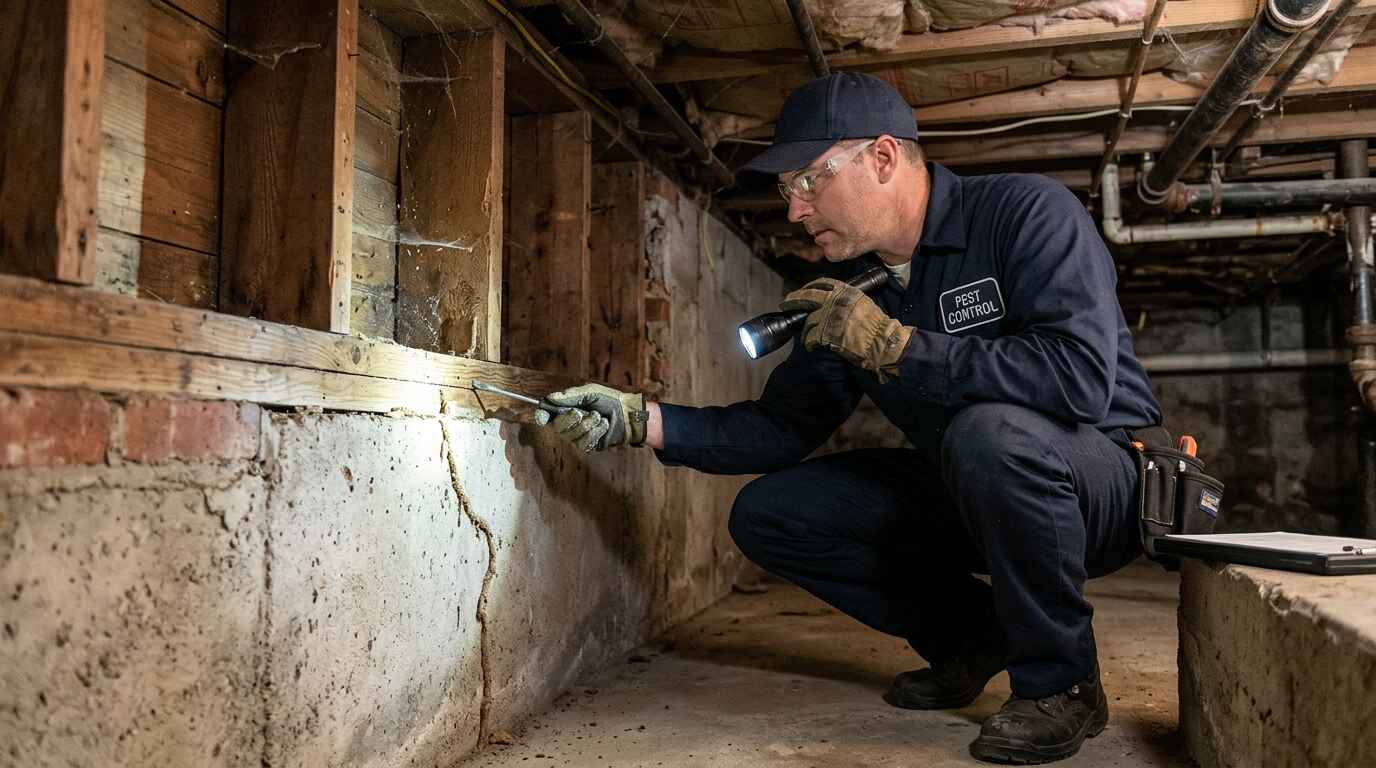
For Hampton houses with crawl spaces, slabs, or recent additions, the technician usually starts with an inspection, then recommends targeted treatment or whole-home treatment based on activity.
Quote
A straight quote
The exact quote is given on the call and changes with structure size, access, treatment areas, materials, and time on site.
Time
A visit time
The visit time is set on the call around access to the Hampton property and the treatment area.
Termite work in downtown Hampton, subdivisions along Jonesboro Road, and homes near Tara Boulevard often means checking red clay beside slabs, crawl spaces, porches, and additions. Properties near open ground can have hidden entry routes after heavy rain, while older wood framing may need a closer damage assessment before treatment is chosen.
Services
Termite Control Services in Hampton
Hampton's mix of established homes, newer exurban construction, red clay lots, and wooded edges changes how termite work is checked. Technicians look at soil contact, slab joints, crawl spaces, porch supports, plumbing penetrations, and accessible wood. Heavy thunderstorms can move soil and moisture against foundations, so a treatment plan must match the structure rather than rely on a broad application.
Residential termite control
Homes around downtown Hampton and newer subdivisions receive treatment planned around slab edges, crawl spaces, porches, and accessible foundation walls.
Termite inspection
An inspection checks Hampton homes for live activity, shelter tubes, conducive moisture, and damage around framing, utility penetrations, and additions.
Wood-destroying insect report
For Hampton sales or property records, the report documents accessible evidence and conditions affecting wood, with limits clearly tied to what could be examined.
Preventive termite treatment
Preventive work suits Hampton properties with exposed soil, wood contact, or additions where red clay and storm moisture create recurring inspection concerns.
Subterranean termite treatment
Subterranean treatment in Hampton follows likely soil-to-structure routes around slabs, crawl spaces, steps, and foundation walls.
Commercial termite control
Henry County offices, shops, and storage buildings need treatment planned around occupied areas, utility rooms, loading access, and stored materials.
Termite damage assessment
A Hampton damage assessment separates visible wood deterioration from active termite evidence before treatment or repair planning begins.
Sizes
Termite Control Options Available in Hampton
Most Hampton termite jobs begin with an inspection because red clay, slab construction, crawl spaces, and storm runoff can hide different entry conditions. Targeted treatment fits confirmed activity in a defined area, while whole-home treatment suits active routes around several sides of the structure.
| Size | Dimensions | Good for |
|---|---|---|
| Termite Inspection | A technician examines accessible areas for termites, conducive conditions, and evidence of damage. | This fits a Hampton homeowner seeing mud tubes, discarded wings, or soft wood near a crawl space, porch, slab edge, or recent addition. The technician examines accessible areas and notes conducive conditions. |
| Targeted Treatment | Treatment focuses on identified activity and accessible entry or nesting areas. | This suits identified activity at a Hampton foundation section, crawl space, porch support, or entry route where treatment can focus on the affected and accessible areas. |
| Whole-Home Treatment | A coordinated treatment addresses active termite activity around the structure and likely entry routes. | This is appropriate when activity or likely entry routes extend around a Hampton house, especially where additions, multiple slab edges, crawl spaces, and damp red clay meet the structure. |
Which option fits common Hampton projects
| Project | Size | Why |
|---|---|---|
| Mud tubes | targeted treatment | Focused work fits visible activity along a foundation section when the rest of the Hampton structure can be checked and found clear. |
| Home purchase | inspection | An inspection gives the buyer a documented look at accessible Hampton wood, crawl spaces, slab edges, and conditions needing attention. |
| Active crawl space | whole-home treatment | A broader treatment suits active routes beneath a Hampton house where soil contact and multiple foundation sides may be involved. |
| Porch wood damage | targeted treatment | Targeted treatment fits a Hampton porch or attached structure when activity is confined and accessible wood can be examined. |
| New subdivision home | inspection | An inspection helps identify soil contact, construction gaps, and early activity around newer Hampton slabs before a larger treatment is selected. |
Schedule Hampton termite treatment
Click Here to Call (888) 510-9023Cost
What Affects Termite Control Cost in Hampton
The exact termite treatment quote is given on the call after discussing the Hampton property and suspected activity. Cost depends on the type and size of the structure, treatment areas, parts and materials, access, distance from the service route, and time on site.
For a clearer quote, describe the structure, visible evidence, crawl space or slab construction, prior treatment, and access limits when speaking with the technician. The exact cost is set from those details and the work required.
Structure and activity
The home's size, construction, number of affected areas, and whether activity is active or only suspected change the work planned at a Hampton property.
Access from Hampton
Distance, driveway approach, crawl space clearance, slab access, landscaping, and blocked foundation sections can change time on site and the treatment approach.
Materials and parts
Treatment materials, application equipment, and any parts needed for access or protection depend on the structure and the route termites are using.
Site preparation
Stored items, dense mulch, porch construction, utility rooms, and areas requiring extra inspection or preparation can add work before treatment begins.
What goes in
Types of Work We Handle
Active Termite Infestations
This covers treatment for confirmed or suspected activity, including mud tubes, live termites, wings, or damaged framing around Hampton homes and attached structures.
Preventive Termite Protection
Preventive work addresses likely entry conditions around slabs, crawl spaces, porches, and red clay soil at Hampton houses before visible activity develops.
Wood Damage Assessment
This covers accessible evaluation of damaged wood, including a typical Hampton porch support, sill area, crawl space member, or basement-adjacent structure.
Not accepted
Termite treatment does not cover unrelated plumbing, structural reconstruction, hidden areas that cannot be accessed, or repairs to wood and finishes unless separately arranged.
How to protect your home in Hampton
Clear foundation edges
Move stored items, dense mulch, and loose materials away from accessible Hampton foundation sections before the inspection.
Record visible evidence
Note where tubes, wings, insects, or damaged wood appeared, including whether the area changed after rain.
Secure household pets
Keep pets and people away from the work area while the technician examines and treats the property.
Gather prior records
Have previous termite reports, treatment details, repair notes, and real estate documents available during the call.
Check access points
Identify crawl space doors, utility rooms, slab edges, attic access, and locked gates before the visit.
Projects
Termite Control for Different Projects
Termite Inspection Control
Inspection-based control checks accessible Hampton homes for activity and conditions around crawl spaces, slabs, porches, additions, and foundation edges.
Subterranean Termite Control
Hampton's red clay lots and soil-to-structure contact make subterranean routes important around slabs, crawl spaces, steps, and foundation walls.
Drywood Termite Control
Drywood concerns are evaluated in accessible Hampton framing, trim, porches, and stored wood, with treatment selected after the evidence is identified.
Preventive Termite Control
Preventive control helps Hampton property owners address exposed wood, soil contact, moisture, and construction details that support future termite entry.
Commercial Termite Control
Commercial properties in Hampton and Henry County receive treatment planning around occupied rooms, utility areas, stored goods, and service access.
Termite Damage Control
Damage control in Hampton starts by separating active termites from older deterioration before treatment and wood repair decisions are made.
Termite Barrier Control
Barrier work follows likely Hampton entry routes at slab edges, crawl spaces, porches, and foundation sections, with access and soil conditions considered.
How it works
How Termite Control Works in Hampton
Request An Inspection
Describe the Hampton property, construction, visible evidence, prior treatment, and the areas that can or cannot be accessed.
Identify Termite Activity
The technician examines accessible soil contact, wood, crawl spaces, slab edges, utility penetrations, and other likely routes.
Review The Treatment Plan
The recommended treatment explains the affected areas, access needs, preparation, materials, and work required for the Hampton structure.
Protect The Structure
Treatment addresses identified activity and likely entry routes, while the property owner handles access and follows the practical site instructions provided.
Weather in Hampton
Hampton's hot, humid summers can keep soil and crawl spaces damp, while intense thunderstorms can move red clay against foundation edges. Tropical remnants may leave saturated ground and difficult access. Weather is considered when planning soil work, inspections, and safe movement around the property.
Treatment area access
Work may take place in crawl spaces, along slab edges, around porches, in utility rooms, basements, or in the yard beside foundation walls. Low clearance, locked gates, stored belongings, wet red clay, landscaping, and tight driveway access can limit the inspection or treatment area.
Permits
Termite Control Permits and Placement Rules in Hampton
Access rules
A routine termite treatment at a private Hampton property generally does not involve placing equipment in the public street, but unusual access, exterior work, or property changes may raise local questions. The City of Hampton or Henry County can explain any local approval or inspection issue, and the call can cover who needs to arrange it.
Landlord and HOA requirements
Hampton subdivisions and Henry County communities may have covenant, HOA, or landlord rules covering exterior applications, visible equipment, access to shared areas, and notice to occupants. Check those rules before work if the property is governed by them.
What the work area needs
Keep the suspected termite area accessible, including crawl space doors, slab edges, utility rooms, basement areas, and foundation walls. Provide parking for the work vehicle, secure pets and people, unlock gates, and account for wet red clay or storm conditions that may limit safe footing.
Timing
Seasons, Weather and the Best Time to Call in Hampton
Termite activity in Hampton can be noticed during warm, humid weather, especially around homes with damp crawl spaces, mulch, or soil against foundation edges. Spring growth and thunderstorms often expose mud tubes or moisture problems, while summer heat keeps inspections and soil conditions active. Treatment planning remains property-specific through cooler months.
Spring moisture and activity
Spring rain and intense Hampton thunderstorms can reveal shelter tubes, disturbed soil, and damp crawl space conditions. Clear foundation edges and report fresh evidence so the inspection distinguishes active routes from old damage.
Summer heat and humidity
Hot humid Hampton summers can make crawl spaces uncomfortable and keep wood and soil moisture concerns active. Access, ventilation, pets, and stored items should be handled before the technician arrives.
Book a Hampton termite inspection
Click Here to Call (888) 510-9023Service area
Termite Control Areas We Serve
Service covers Hampton neighborhoods and residential areas around downtown, Jonesboro Road, Tara Boulevard, and the city's newer exurban edges, as well as commercial properties in Henry County. Nearby travel can also be discussed for Fort Valley, Lakemont, Turtletown, Piedmont, and Aiken when arranging the job.
Hampton is part of our Henry County coverage, and we also serve the neighboring communities below.
Why us
Why Call a Termite Control in Hampton?
Hampton's newer growth puts houses on red clay lots with slabs, crawl spaces, additions, and exposed foundation edges. A useful termite visit checks those construction details instead of treating every property the same way.
Heavy thunderstorms and humid summers can change soil contact and moisture around Hampton foundations. The treatment plan accounts for access, drainage conditions, porch and utility areas, and the difference between active termites and older wood damage.
FAQs
Termite Control FAQs
How much does termite control cost in Hampton?
The exact cost is given on the call after the structure, activity, access, treatment areas, materials, distance, and time on site are discussed. A Hampton slab home and a crawl space house with porch additions may require different work, so describe the property and visible evidence clearly.
Which termite visit fits my Hampton home?
An inspection fits uncertainty or a home purchase, targeted treatment fits identified activity in an accessible area, and whole-home treatment fits activity or likely routes around several sides of the structure. Hampton construction, soil contact, and crawl space access help determine the recommendation.
How soon can someone come to my Hampton property?
The visit time is set on the call. Explain the Hampton address, the evidence noticed, access limits, and whether the matter involves a sale, active damage, or a vacant property so the scheduling discussion reflects the work needed.
What does termite treatment cover?
A termite treatment addresses identified activity and accessible entry or nesting areas, or coordinates work around the structure and likely routes when whole-home treatment is appropriate. The plan may include crawl spaces, slabs, porches, foundation edges, utility penetrations, and accessible wood.
What does termite control not cover?
Termite control does not cover unrelated plumbing, structural reconstruction, inaccessible hidden areas, or repairs to damaged wood and finishes unless separately arranged. In Hampton, stored belongings, low crawl spaces, landscaping, and locked areas can limit what the technician is able to examine.
Does Hampton termite treatment need a permit or inspection?
Routine treatment at a private property generally does not require a street placement permit, but local approval or inspection questions should be checked with the City of Hampton or Henry County. The call can cover the property conditions and who is responsible for arranging any required review.
How much access is needed for Hampton termite work?
Access is needed to suspected activity and likely routes, such as crawl space doors, slab edges, porches, utility rooms, basements, foundation walls, and yard areas. Unlock gates, move stored items, provide work vehicle parking, and keep pets and people clear.
What should I have ready when calling about Hampton termites?
Have the property address, construction type, visible evidence, affected rooms or exterior areas, crawl space or basement details, previous treatment records, and access restrictions ready. Photos and real estate paperwork can also help explain the Hampton job before the visit is set.
Does Hampton weather affect termite treatment?
Yes, hot humidity, intense thunderstorms, red clay, and tropical remnants can affect soil moisture, footing, and exterior access. Mention recent heavy rain, standing water, muddy foundation areas, or crawl space moisture so the visit and treatment approach can account for conditions.
Are red clay lots in Hampton a termite concern?
Red clay lots can make soil contact, drainage, and foundation access important parts of a Hampton termite inspection. The technician checks slab edges, crawl spaces, porch supports, mulch, and other routes where moisture or disturbed soil may bring activity close to the structure.