Termite Control in Charleston, SC
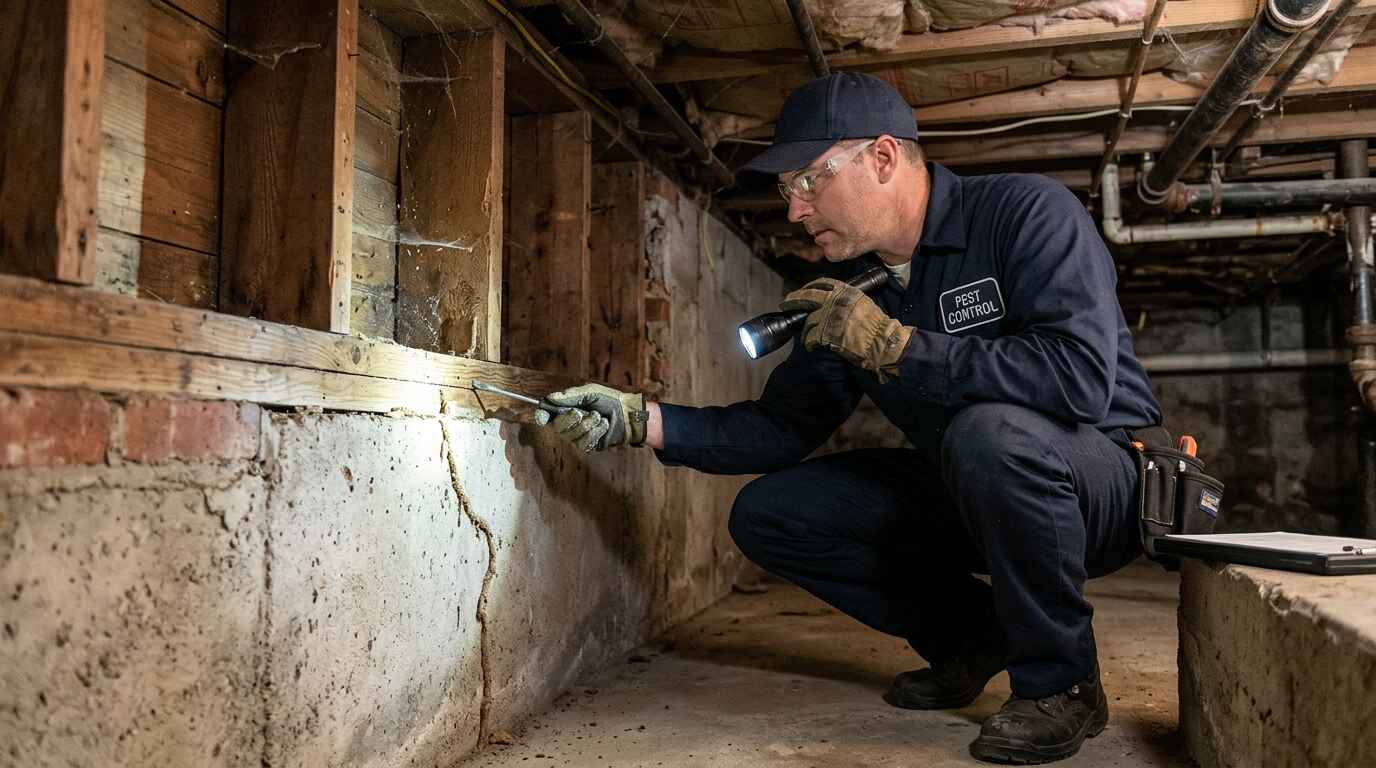
In Harleston Village, a technician may find termite activity beneath a raised historic home, where damp crawl spaces and sandy soil complicate access. One phone conversation sorts the inspection and treatment path.
Plan
The right visit for the job
Raised homes in Charleston often start with an inspection, while established activity around crawl spaces, porches, or framing may need a targeted treatment.
Quote
A straight quote
The quote is given on the call and changes with activity, structure size, access, materials, and treatment complexity.
Time
A visit time
The visit time is set on the call around access to the Charleston property and the work area.
From South of Broad and Harleston Village to West Ashley, James Island, and the homes near tidal creeks, Charleston termite work changes with crawl space access, raised foundations, sandy soil, and flood exposure. The inspection checks accessible areas, evidence of activity, and conditions that can shorten treatment durability.
Services
Termite Control Services in Charleston
Charleston homes range from historic raised structures downtown to slab homes in West Ashley and commercial buildings along major corridors. Humidity, heavy rain, tidal flooding, and sandy coastal soils can affect where termites enter and how accessible the work area remains. The treatment is selected after examining the structure, crawl spaces, utility areas, exterior edges, and visible wood damage.
Residential termite control
Treatment for Charleston houses, including raised homes in Harleston Village, crawl space structures, and slab properties in West Ashley.
Termite inspection
An inspection examines accessible Charleston crawl spaces, framing, foundation edges, and moisture conditions for activity or conducive conditions.
Wood-destroying insect report
A report documents accessible evidence in Charleston homes, including damaged framing, porch areas, crawl spaces, and other structural wood.
Preventive termite treatment
Preventive work helps address entry routes around Charleston foundations, especially where rain, humidity, and sandy soil keep conditions favorable.
Subterranean termite treatment
Treatment focuses on soil connected entry routes and accessible structure areas common beneath raised Charleston homes and low crawl spaces.
Commercial termite control
Commercial work covers Charleston offices, shops, and other structures where utility rooms, storage areas, and customer access affect the treatment plan.
Termite damage assessment
Assessment identifies accessible termite damage in Charleston framing, porches, sill areas, and crawl spaces before repair planning begins.
Sizes
Termite Control Options Available in Charleston
Many Charleston jobs begin with a termite inspection because raised foundations, enclosed porches, and flood exposed crawl spaces can hide activity. A targeted treatment fits identified activity, while a whole-home treatment suits activity found across entry routes or multiple structure areas.
| Size | Dimensions | Good for |
|---|---|---|
| Termite Inspection | A technician examines accessible areas for termites, conducive conditions, and evidence of damage. | This fits a Charleston homeowner who sees wings, mud tubes, damaged wood, or moisture near a crawl space but needs the activity located before treatment is selected. |
| Targeted Treatment | Treatment focuses on identified activity and accessible entry or nesting areas. | This suits identified activity at a Charleston foundation edge, porch, crawl space, or accessible nesting area where the affected route can be treated directly. |
| Whole-Home Treatment | A coordinated treatment addresses active termite activity around the structure and likely entry routes. | This fits a larger Charleston problem involving several entry routes, connected structural areas, or active termites around a raised historic home and its accessible perimeter. |
Which option fits common Charleston projects
| Project | Size | Why |
|---|---|---|
| Raised historic home | inspection | Older Charleston framing, enclosed porches, and crawl spaces deserve an access check before the treatment area is chosen. |
| Crawl space activity | targeted treatment | Visible activity around a Charleston foundation or sill area may be concentrated enough for treatment at identified entry and nesting areas. |
| Multiple entry routes | whole-home treatment | Several active areas around a Charleston structure require coordinated attention rather than treating one exposed spot alone. |
| Flood exposed foundation | inspection | Tidal water, heavy rain, and sandy coastal soil can affect access and conditions around the Charleston foundation. |
| Commercial wood damage | targeted treatment | An identified affected area in a Charleston commercial building can be treated after accessible activity and surrounding conditions are reviewed. |
Schedule Charleston termite treatment
Click Here to Call (888) 510-9023Cost
What Affects Termite Control Cost in Charleston
The exact quote is given on the call after the job is discussed. Cost depends on the type and size of the structure, evidence of activity, treatment areas, parts or materials, time on site, access, distance, and after hours work.
To avoid surprise charges, describe the structure, visible evidence, crawl space condition, access limits, and any prior treatment on the call. The exact quote is given before the visit is set.
Structure and activity
The size of the Charleston structure, termite type, amount of evidence, and number of affected areas change the inspection and treatment work.
Access from Charleston
Tight crawl spaces, raised foundations, enclosed porches, tidal access, parking limits, and distance across Charleston County can add work time.
Parts and materials
Treatment materials and any needed parts depend on the identified entry route, nesting area, structure surface, and the selected termite treatment.
Site conditions
Moisture, sandy coastal soil, heavy rain exposure, concealed framing, and after hours access can change preparation and time on site.
What goes in
Types of Work We Handle
Active Termite Infestations
This covers live termites or clear activity in accessible structure areas, including mud tubes beneath Charleston raised homes and activity around foundation edges.
Preventive Termite Protection
This covers treatment planning where no active infestation is confirmed but Charleston moisture, sandy soil, or vulnerable entry routes support preventive work.
Wood Damage Assessment
This covers accessible damage assessment in framing, porches, sills, and crawl spaces, including the heavy timber and raised construction found around Charleston.
Not accepted
The service does not cover inaccessible structural areas, unrelated wood decay, stored household items, or repairs that are not part of the termite treatment.
How to protect your home in Charleston
Clear the crawl space
Move stored items away from access points and keep crawl space openings reachable for the technician.
Document visible evidence
Note mud tubes, wings, damaged wood, or live insects and describe where each was found.
Secure household pets
Keep pets and people away from the work area while the technician examines and treats the structure.
Mention prior treatment
Share any previous termite work, moisture repairs, renovations, or reports before the inspection begins.
Expose utility access
Identify shutoffs, utility rooms, crawl space doors, and exterior areas that may need examination.
Projects
Termite Control for Different Projects
Termite Inspection Control
Inspection control for Charleston homes checks accessible crawl spaces, foundation edges, porches, framing, and conditions that support termite activity.
Subterranean Termite Control
Subterranean treatment addresses soil connected routes beneath raised Charleston homes, around foundations, and near damp crawl spaces.
Drywood Termite Control
Drywood termite work focuses on accessible infested wood in Charleston framing, porches, trim, and other elevated structure areas.
Preventive Termite Control
Preventive control considers Charleston humidity, sandy coastal soil, heavy rain, and exposed entry routes around the structure.
Commercial Termite Control
Commercial treatment serves Charleston buildings where storage, utility rooms, tenant access, and operating areas shape the treatment plan.
Termite Damage Control
Damage control documents and treats accessible termite affected wood in Charleston homes before separate repair decisions are made.
Termite Barrier Control
Barrier work addresses accessible perimeter and entry routes around Charleston foundations, with placement shaped by porches, slabs, soil, and drainage.
How it works
How Termite Control Works in Charleston
Request An Inspection
Describe the Charleston property, construction, visible evidence, prior treatment, and access concerns so the right visit can be discussed.
Identify Termite Activity
The technician examines accessible areas for termites, conducive conditions, mud tubes, damaged wood, and likely entry or nesting locations.
Review The Treatment Plan
The treatment plan explains the selected areas, access needs, materials, and whether inspection, targeted treatment, or whole-home treatment fits.
Protect The Structure
Treatment addresses identified activity and entry routes, while the property owner handles access, pets, stored items, and follow through.
Weather in Charleston
Charleston heat and humidity can keep crawl spaces damp, while heavy rain and tidal flooding affect soil, foundations, and access. Hurricanes may leave debris or standing water around the structure. The work area may need review after severe weather before treatment is placed.
Treatment area access
Work may occur in crawl spaces, around raised foundations, beneath porches, in utility rooms, at slabs, or across accessible yards. Tight openings, standing water, stored items, flooding, steep steps, and limited parking can restrict access at Charleston properties.
Permits
Termite Control Permits and Placement Rules in Charleston
Access rules
Termite treatment at a private Charleston property usually does not involve placing equipment in the street, but a street obstruction, exterior alteration, or related construction may require approval or inspection from the City of Charleston or Charleston County. The call covers what applies and who arranges it.
Landlord and HOA requirements
Charleston County homeowners associations, neighborhood covenants, and landlords may set rules for exterior equipment, crawl space access, treatment notices, or scheduling. Check the property rules before work, and share any restrictions on the call.
What the work area needs
Clear a path to the affected room, crawl space, foundation, utility area, and shutoffs. Provide parking for the work vehicle where possible, keep people and pets clear, and address standing water, debris, or saturated ground before the visit when conditions allow.
Timing
Seasons, Weather and the Best Time to Call in Charleston
Termite activity can be noticed year round in Charleston, with warm humid conditions supporting activity through much of the year. Spring and summer often bring more visible swarms, while heavy rain, tidal flooding, and hurricane weather can change access. Fall and winter inspections still matter in heated or protected structure areas.
Spring swarm activity
Warm spring conditions can make winged termites more noticeable around Charleston windows, porches, lights, and raised foundations. Save a sample or photograph if safe, and identify the room or exterior area where the activity appeared.
Rain and storm access
Heavy rain, tidal flooding, and hurricane debris can limit crawl space and yard access across Charleston. The work area may need to drain and clear before the technician can examine soil routes or place treatment.
Book a Charleston termite inspection
Click Here to Call (888) 510-9023Service area
Termite Control Areas We Serve
Service covers Charleston neighborhoods and settings including South of Broad, Harleston Village, the peninsula, West Ashley, James Island, Johns Island, and areas around the Cooper and Ashley rivers. Charleston County properties outside the city can be discussed as well, along with nearby service areas such as Saint George, Elgin, Aiken, Wilmington, and Waxhaw.
Charleston is part of our Charleston County coverage, and we also serve the neighboring communities below.
Why us
Why Call a Termite Control in Charleston?
Charleston's raised historic homes put termite inspection in places many properties elsewhere do not share: low crawl spaces, porch framing, sill areas, and foundations exposed to humid air, heavy rain, and tidal conditions.
A treatment plan for Charleston County must account for sandy coastal soil, flood affected access, dense peninsula lots, and the difference between a slab home in West Ashley and an older raised structure near the peninsula.
FAQs
Termite Control FAQs
How much does termite control cost in Charleston?
The exact quote is given on the call. Cost depends on the structure size, termite activity, treatment areas, parts or materials, time on site, access, distance, and after hours work. Describe the foundation, crawl space, visible evidence, and prior treatment so the quote reflects the Charleston property.
Which termite visit fits my Charleston home?
A termite inspection fits when activity is suspected but not located. Targeted treatment fits identified activity in an accessible area, while whole-home treatment fits activity across several entry routes or structure areas. Raised Charleston homes often begin with an inspection because crawl spaces can conceal the source.
How soon can termite control come to Charleston?
The visit time is set on the call because access, weather, the property type, and the work area affect scheduling. Ask about same-day or next-day availability if needed, and mention standing water, storm damage, or an occupied rental before setting the visit.
What does Charleston termite treatment cover?
Treatment addresses identified termite activity and accessible entry or nesting areas around the structure. Depending on the job, that may include crawl spaces, foundation edges, porches, slabs, utility areas, and accessible yards. The technician reviews the structure before selecting inspection, targeted, or whole-home treatment.
What does termite control not cover?
It does not cover inaccessible structure areas, unrelated wood decay, stored household items, or repairs outside the termite treatment. In Charleston, flood damage, concealed framing, and saturated crawl spaces may require separate access or repair work before all areas can be assessed.
Do I need a permit for termite treatment in Charleston?
Routine treatment at a private property generally does not require a permit, but street use, exterior alterations, or related construction may involve the City of Charleston or Charleston County. The call covers what applies and who arranges any required approval or inspection.
How much access is needed for Charleston termite work?
Clear access is needed to the affected rooms, crawl space openings, foundation edges, utility areas, shutoffs, and treatment locations. Move stored items, provide workable vehicle parking, and keep pets and people clear. Standing water, debris, tight openings, and flood conditions can limit the visit.
What should I have ready when calling about termites?
Have the Charleston property address, structure type, foundation style, visible termite evidence, affected locations, prior treatment details, access limits, and preferred visit availability ready. Photos or a saved insect sample can help describe activity, but do not delay the call to collect them.
Does Charleston weather affect termite treatment?
Yes. Heat, humidity, heavy rain, tidal flooding, and hurricanes can affect soil conditions, crawl space access, and treatment durability. The work area may need to be clear and reachable, and storm related standing water or debris should be mentioned when the visit is arranged.
Are raised homes in Charleston harder to treat?
Raised homes can require more detailed access planning because crawl spaces, porch framing, sill areas, and foundation edges may be confined or damp. Historic construction on the Charleston peninsula may also have enclosed additions or limited parking, so those conditions should be described before the treatment is set.